Quick picks
Short on time? Here are my favorites at a glance.
-
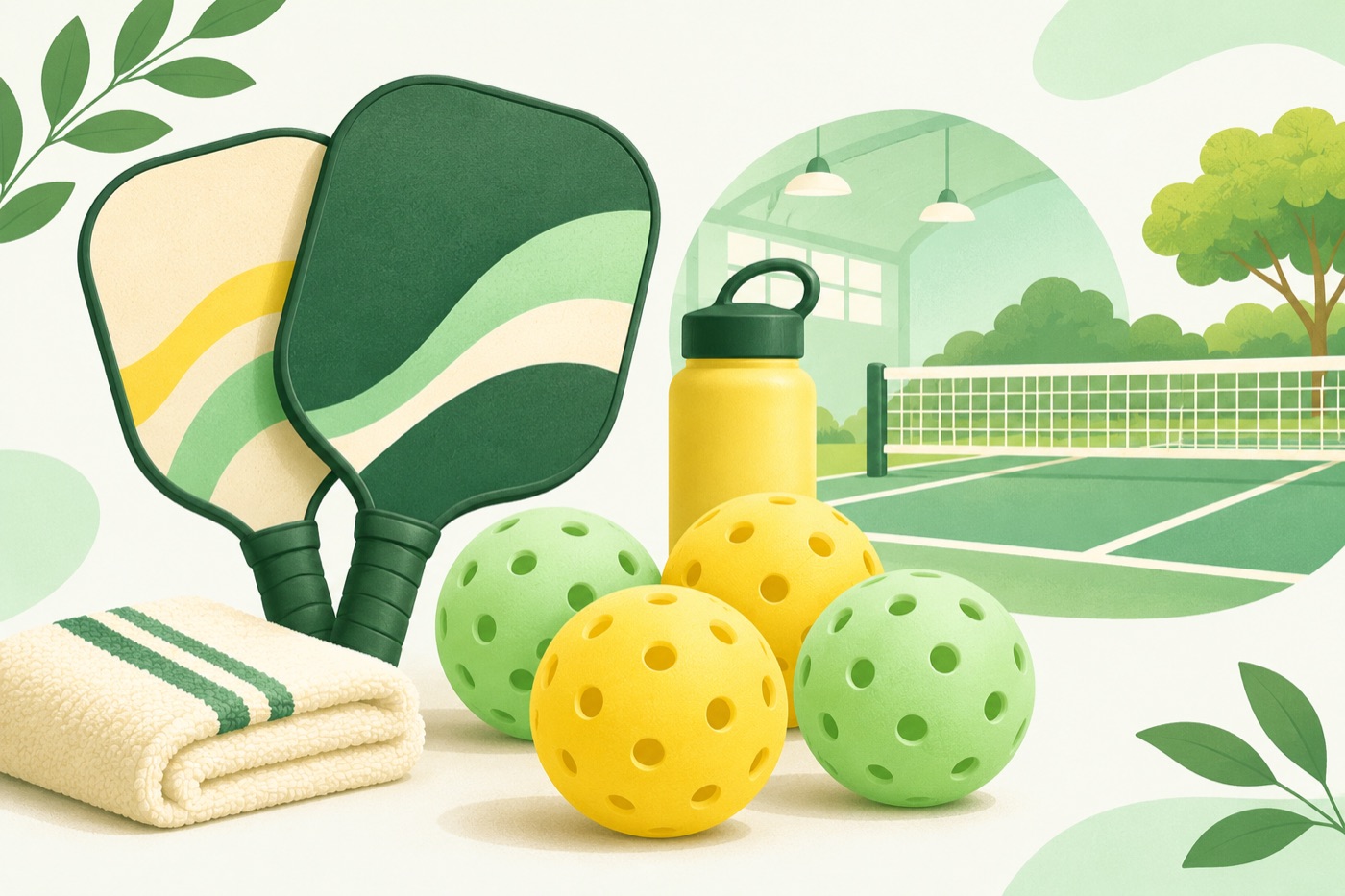
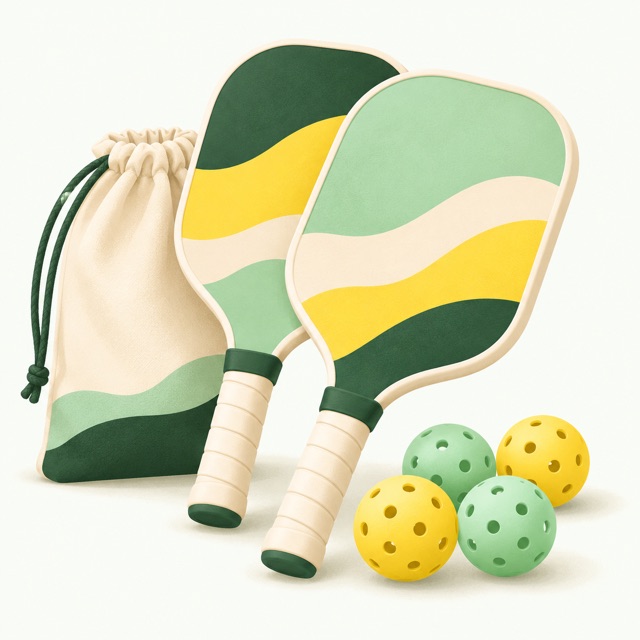 Best Starter SetFranklin Sports Pickleball Paddle Starter SetCouples and friends starting out togetherCheck price
-
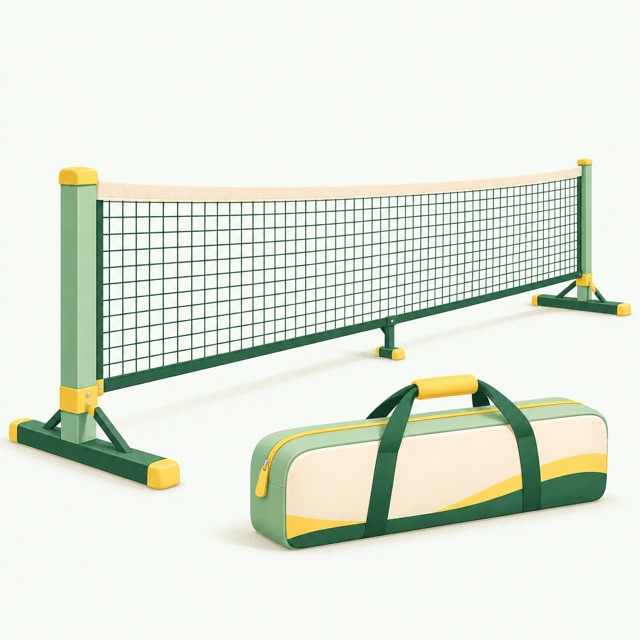 Best Portable NetFranklin Sports Portable Pickleball NetDriveways, tennis courts and parks without linesCheck price
Side-by-side comparison
| Franklin Sports Pickleball Paddle Starter Set | Franklin Sports Portable Pickleball Net | |
|---|---|---|
| Award | Best Starter Set | Best Portable Net |
| Rating | 4.4 | 4.5 |
| Best for | Couples and friends starting out together | Driveways, tennis courts and parks without lines |
| Price | $ | $$ |
| Check price | Check price |
 #1
Franklin Sports Pickleball Paddle Starter Set
Best for: Couples and friends starting out together · $
Paddles plus balls in one box, so you're ready to play today. Perfect for testing the waters before investing in a better paddle.
What I love
- Everything in one box
- Affordable
- Great gift
Keep in mind
- You'll want to upgrade paddles as you improve
#2 Franklin Sports Portable Pickleball Net
Best for: Driveways, tennis courts and parks without lines · $$
Set it up anywhere flat and you've got a court. Regulation width, with a carry bag for easy storage.
What I love
- Regulation size
- Sets up quickly
- Carry bag included
Keep in mind
- Bulkier than mini nets
Pickleball is the friendliest sport I know. It’s easy to learn, fun from your very first game and a great way to meet people. If you’ve been curious but feel a little lost about the rules, this guide will get you on the court with confidence.
What is pickleball?
Pickleball is a paddle sport that mixes elements of tennis, badminton and ping pong. You play with a solid paddle and a plastic ball with holes, on a court about the size of a badminton court. It’s usually played as doubles, but singles is popular too.
Why everyone loves it
- Easy to learn. Most people can rally in their first hour.
- Social. Open play makes it easy to meet new people.
- Low impact. A smaller court means less running than tennis.
- All ages. Kids, adults and grandparents all play together.
The court
- Size: 20 x 44 feet, the same for singles and doubles.
- Net height: 36 inches at the sidelines and 34 inches in the middle.
- The kitchen: the 7-foot zone on each side of the net, officially called the non-volley zone.
The basic rules
- Serve underhand and diagonally, crosscourt into the opposite service box.
- The serve must clear the kitchen. It can’t land in the non-volley zone.
- The two-bounce rule: the serve must bounce once, and the return must bounce once. After that, you can volley (hit it out of the air) or let it bounce.
- No volleying in the kitchen. You can’t hit the ball out of the air while standing in the kitchen. You can step in after the ball bounces.
- Faults include hitting out of bounds, into the net or volleying from the kitchen.
How scoring works
Scoring confuses everyone at first, but you’ll get it after a few games.
- Only the serving team can score points.
- Games go to 11, and you must win by 2.
- In doubles, the score has three numbers: your team’s score, the other team’s score and the server number (1 or 2). For example, “4-2-1.”
- Each player on a team serves before the serve goes to the other team (except at the start of the game, when only one player serves).
Tip: don’t stress about scoring at first. Your partners will help you.
The shots you need to know
- Serve: an underhand stroke, hit below your waist. Focus on getting it in deep.
- Return: hit it deep so you have time to move up to the kitchen line.
- Dink: a soft shot that lands in your opponent’s kitchen. It’s the heart of pickleball strategy.
- Third-shot drop: a soft shot from the baseline that lands in the kitchen, letting your team move up to the net.
- Drive: a hard, low shot.
- Volley: hitting the ball out of the air before it bounces.
- Overhead smash: finishing a high ball with power.
Basic strategy
- Get to the kitchen line. The team at the net usually wins the point.
- Be patient. Dink until your opponent gives you an attackable ball.
- Keep the ball low. High balls are easy to smash.
- Aim at feet or down the middle.
- Communicate with your partner. Call “mine” and “yours.”
Beginner mistakes (we all make them)
- Standing in no-man’s land between the baseline and the kitchen.
- Hitting everything hard. Power is fun, but soft shots win.
- Stepping in the kitchen while volleying.
- Forgetting the two-bounce rule.
- Wearing running shoes. Get proper court shoes!
What you need to start
- A paddle. A budget-friendly paddle or starter set is perfect. See the best pickleball paddles.
- Balls. Outdoor or indoor, depending on where you play. See the best pickleball balls.
- Court shoes. Not running shoes!
- Water and comfortable clothes.
How to find a game
- Local parks and recreation centers often have courts and open play times.
- Clubs and gyms offer clinics and leagues for beginners.
- Pickleball apps and community groups help you find games nearby.
- Beginner clinics are the fastest way to learn the rules and meet people at your level.
Pickleball etiquette
- Wait your turn at busy courts, and rotate in with open play.
- Call the score before every serve.
- Make line calls on your side, and give your opponents the benefit of the doubt.
- Tap paddles at the end of a game.
- Be welcoming to new players. Everybody starts somewhere.
FAQ
Is pickleball easy to learn?
Yes! Most people rally in their first session. Mastering it takes longer, but that’s part of the fun.
Can I play if I’ve never played a racket sport?
Absolutely. Pickleball is a great first racket sport.
How long does a game take?
Most games take about 15 to 25 minutes.
My bottom line
Grab a paddle, find a local open play and jump in. You’ll be hooked after one game. Not sure what to buy? Take my 60-second paddle quiz.